
For Indian travellers, a Singapore visit falls into one of two categories: a tourist/social visit or a short-term business visit. Both need a visa arranged before departure, both go through the same basic three-stage flow, and neither has anything to do with working in Singapore.
The three stages, in order
- Visa (pre-travel approval). ICA does not take applications directly from individuals in India, so this step goes through an authorised agent or channel rather than a walk-in submission.
- Visit Pass (e-Pass), on arrival. Issued digitally at the checkpoint by an immigration officer — emailed to you, no passport stamp — this is the actual permission to be in Singapore for your visit.
- SG Arrival Card. A separate free digital arrival and health declaration, filed within three days before arrival through ICA's own portal. Not a visa, not optional, and unrelated to your visa approval.
Tourist/social visit vs short-term business visit
A tourist/social visit covers holidays, sightseeing, and visiting friends or relatives. A short-term business visit covers attending meetings, conferences, exhibitions, and trade events — it does not extend to taking up employment, drawing a salary from a Singapore company, or any form of work pass; that is a completely separate process this site does not handle. Read Singapore Business Visa for what's actually permitted on a business visit.
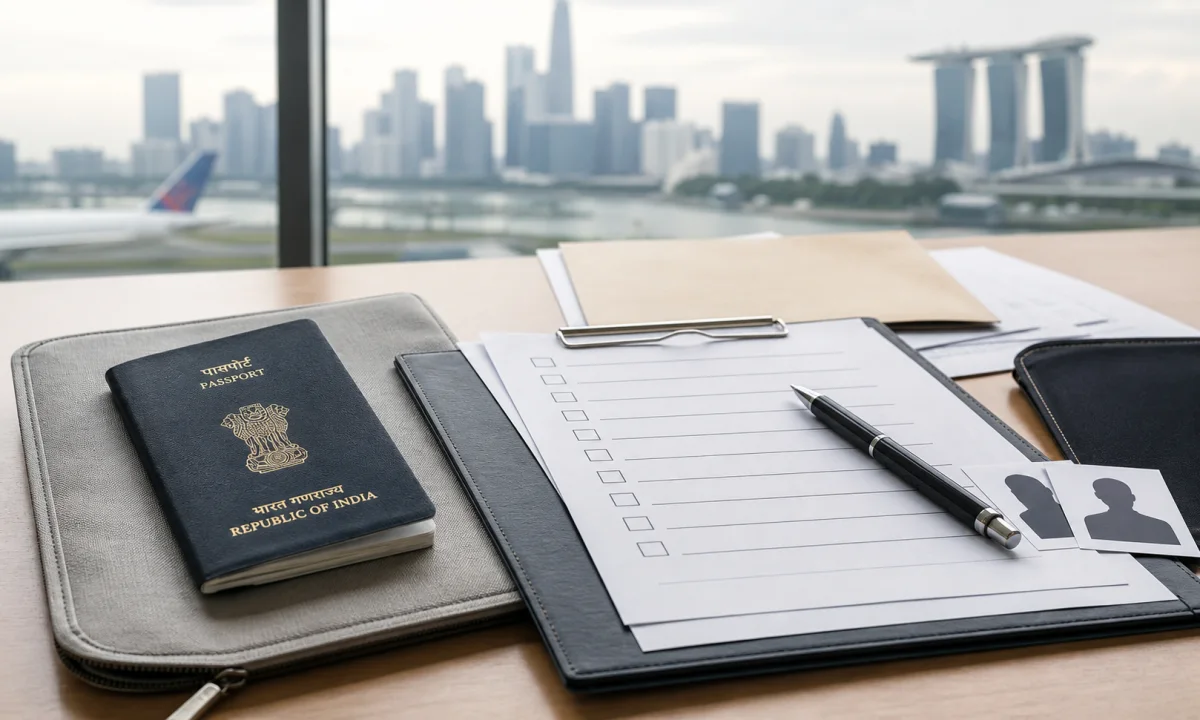
What you'll need to prepare
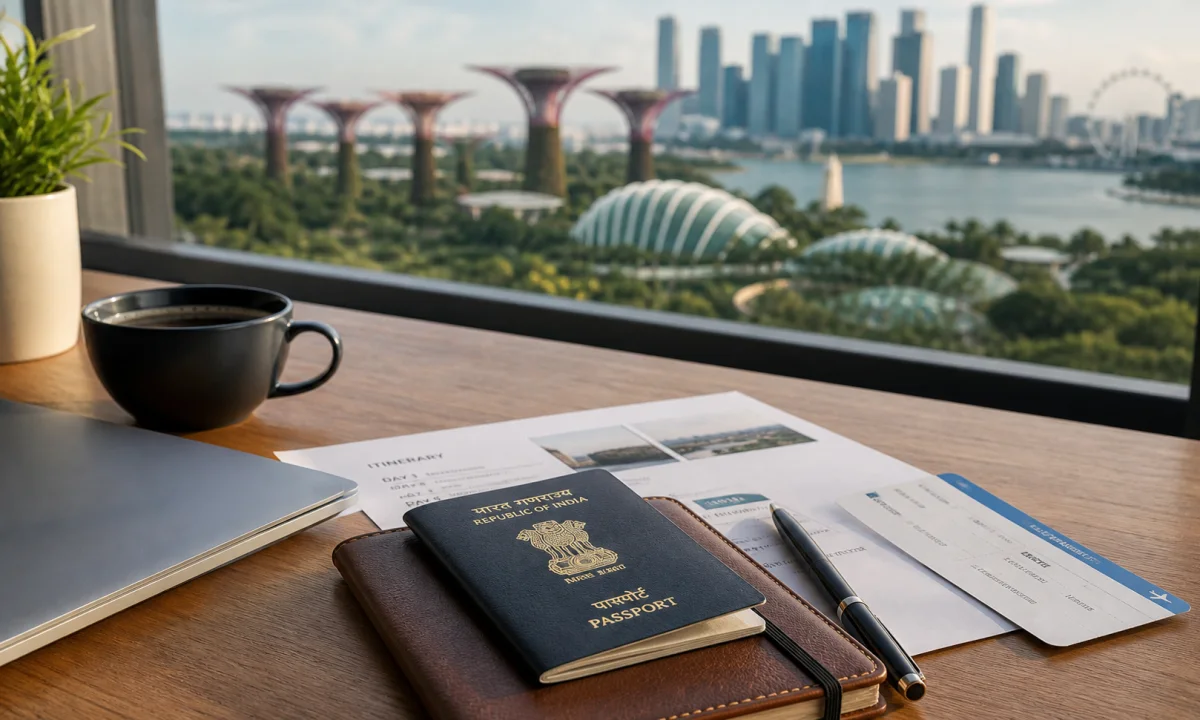
- A passport with sufficient validity remaining and blank pages
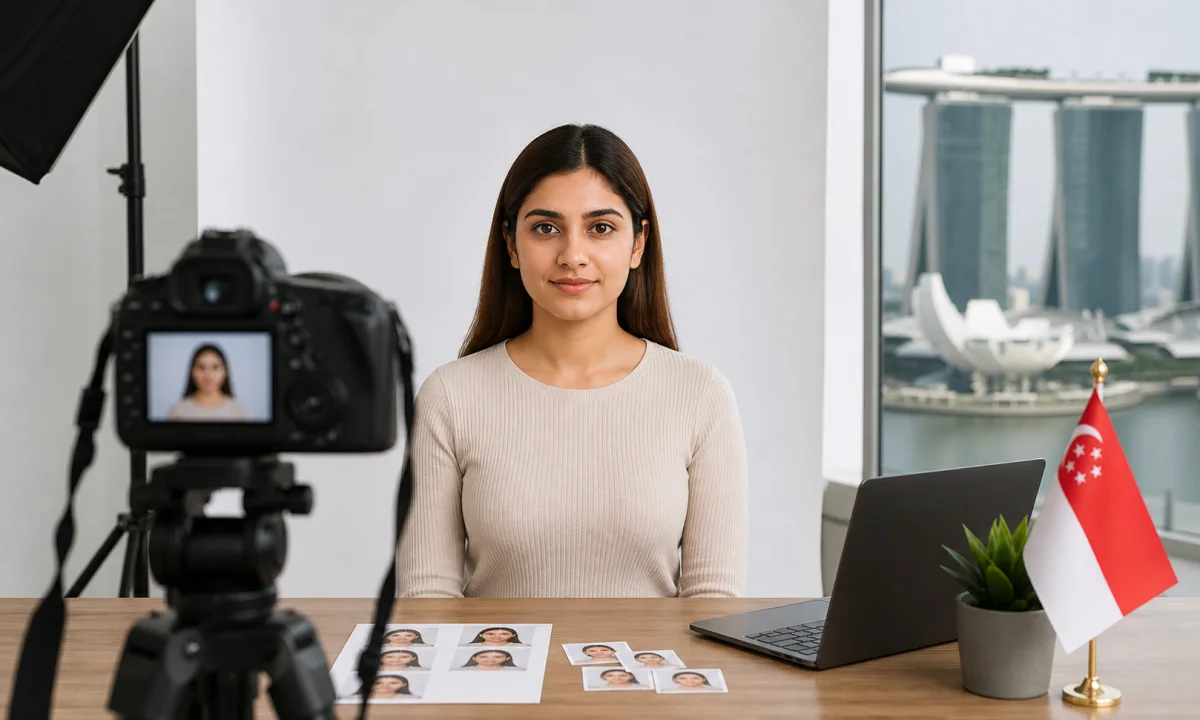
- A recent passport-style photo meeting Singapore's specification
- Proof of funds for the trip
- A travel plan — flights and accommodation details, even if provisional
- Purpose-specific documents (invitation letter for business, itinerary for tourism)
See the full breakdown in Documents Required for a Singapore Visa.
Timing and cost
Processing times and fees vary by application volume and category, and change from time to time, so treat any figure you see quoted as indicative rather than fixed — confirm the current numbers before you apply. Our processing time guide and fees guide go into this in more depth.
A realistic starting point
If this is your first Singapore application, don't start by booking flights. Start by confirming your travel dates are flexible enough to absorb normal processing time, then gather documents, then apply. Booking non-refundable travel before your visa is confirmed is one of the most avoidable mistakes applicants make.
Frequently asked questions
Can I apply for the Singapore visa myself directly with ICA from India?
No — ICA does not accept applications directly from individuals based in India; applications go through an authorised agent or channel.
Is the process different for a first-time applicant versus someone who has visited before?
The core documents are largely the same; a clean prior travel history can support your application but isn't a separate process.
Can one visa cover both tourism and a business meeting on the same trip?
Apply under the category that matches your primary purpose, and be upfront about the full itinerary so the documentation matches what you're actually doing.
Practical checks at a glance
| Check | What good preparation looks like | Why it matters |
|---|---|---|
| Identity | Passport data and applicant details match exactly | Identity mismatches can affect the whole file |
| Purpose | Tourism, family visit or temporary business activity is stated clearly | The evidence should fit the declared visit |
| Dates | Forms, itinerary, accommodation and transport align | Conflicting dates create avoidable questions |
| Funding | The trip cost and source of funds are credible | No universal balance figure replaces context |
Do and don't checklist
Do
- Recheck all names and dates
- Use current, readable evidence
- Keep travel arrangements flexible before approval
Don't
- Do not alter supporting documents
- Do not rely on guaranteed timelines
- Do not confuse a visa, Visit Pass and SG Arrival Card
Continue your research
A strong application is built by checking the connected requirement, not by treating one document in isolation.