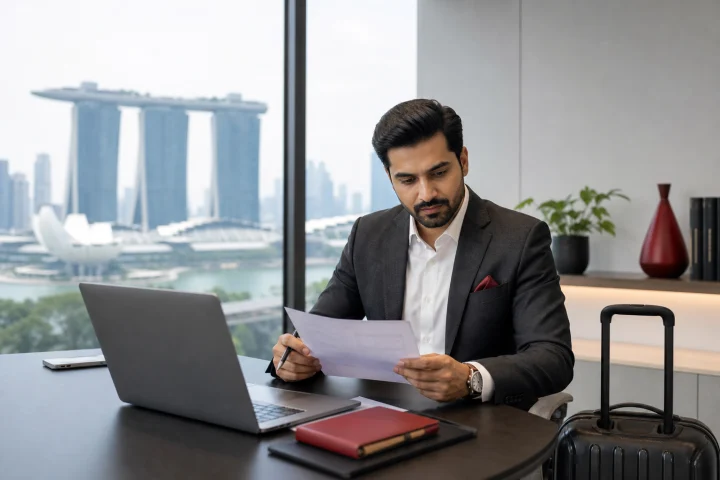
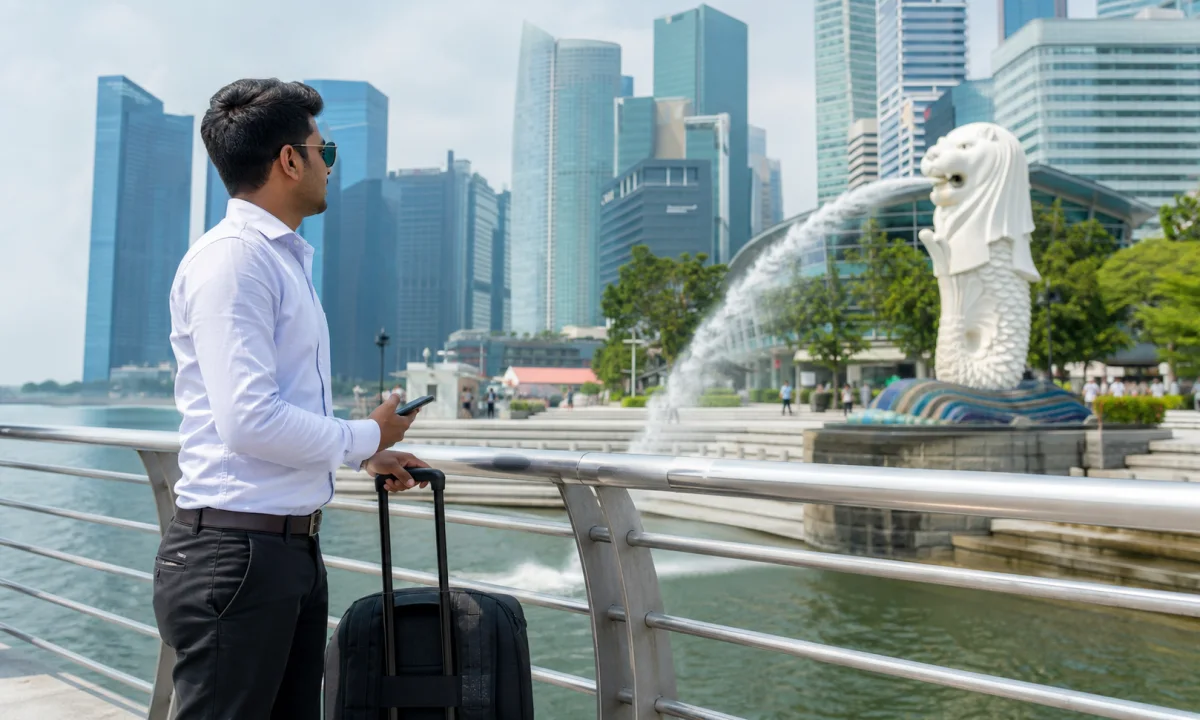

Corporate location does not create a special visa route. A business visitor should show a defined temporary activity, while a tourist should avoid unnecessary business documentation.
What this means in practice
Start with the facts that can be verified: passport identity, genuine travel purpose, dates, funding and the reason the traveller will return to India. The relevant documents should tell the same story without forcing the reviewer to resolve avoidable contradictions.
A better way to prepare
Review this topic in three passes. First check accuracy, then compare it with every connected booking or supporting record, and finally ask whether a person unfamiliar with the trip could understand it. This method is more reliable than adding extra paperwork simply to make the file look larger.
Practical checks at a glance
| Check | What good preparation looks like | Why it matters |
|---|---|---|
| Employer letter | Current, readable and consistent with the rest of the file | It anchors the review of this topic |
| Invitation | Current, readable and consistent with the rest of the file | It prevents a mismatch or unanswered question |
| Event dates | Current, readable and consistent with the rest of the file | It prevents a mismatch or unanswered question |
| Return to role | Current, readable and consistent with the rest of the file | It prevents a mismatch or unanswered question |
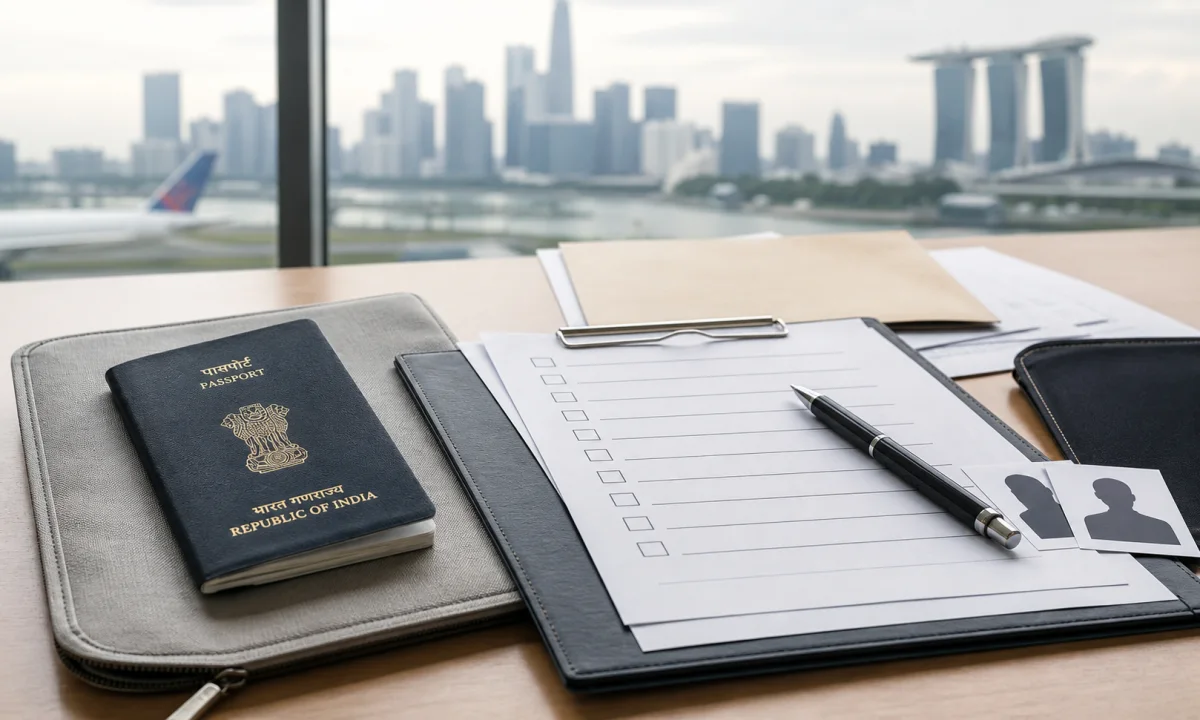
Do and don't checklist
Do
- Clarify who funds the trip
- State meeting or event purpose
- Carry relevant contact details
Don't
- Do not imply productive employment in Singapore
- Do not use vague business language
- Do not forget the tourist/business distinction
Continue your research
A strong application is built by checking the connected requirement, not by treating one document in isolation.
Final decision check
If a detail is uncertain, verify it through the official or submitting channel before relying on it. Fees, processing conditions and entry decisions can change, so they should be reconfirmed rather than presented as guarantees.